Holistic Recovery Techniques for Parkinson's Disease Clients
Parkinson's disease is a progressive neurological disorder that affects movement and can lead to a variety of physical and emotional challenges. While traditional medical treatments focus on managing symptoms, many individuals are seeking holistic recovery techniques to enhance their quality of life. This blog post explores various holistic approaches that can support Parkinson's disease clients in their journey toward recovery.
Understanding Parkinson's Disease
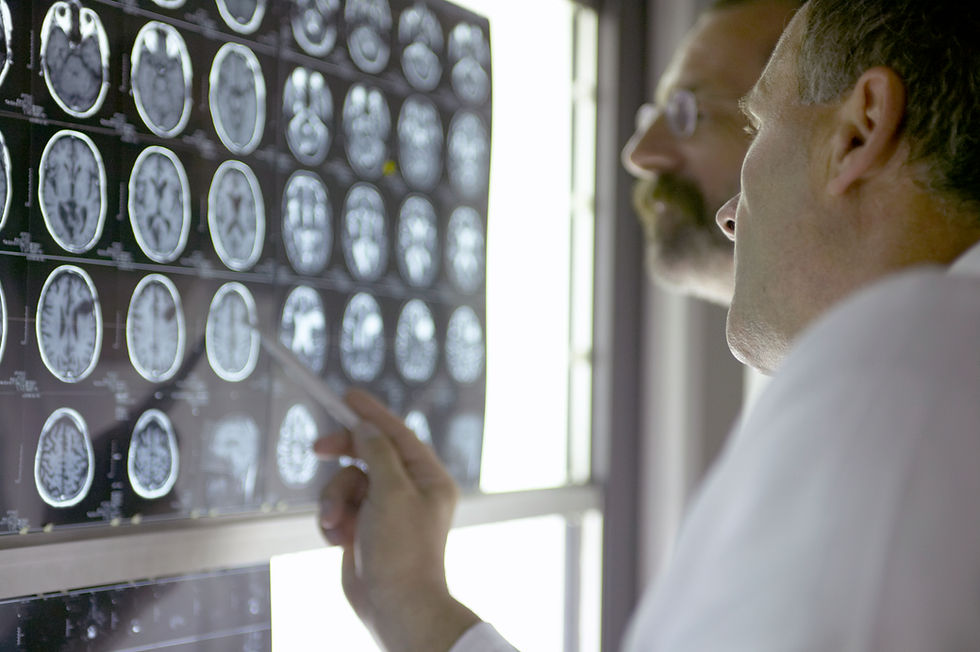
Parkinson's disease primarily affects the brain's ability to produce dopamine, a neurotransmitter that plays a crucial role in coordinating movement. As dopamine levels decrease, individuals may experience symptoms such as:
Tremors
Stiffness
Slowed movement
Balance issues
In addition to these physical symptoms, many people with Parkinson's also face emotional challenges, including anxiety and depression. This multifaceted nature of the disease calls for a comprehensive approach to treatment.
The Importance of Holistic Recovery
Holistic recovery techniques address the whole person—body, mind, and spirit—rather than just the symptoms of the disease. These techniques can complement traditional medical treatments and provide additional support for individuals living with Parkinson's. Here are some key benefits of adopting a holistic approach:
Enhanced well-being: Holistic techniques can improve overall health and emotional resilience.
Empowerment: Clients often feel more in control of their recovery journey.
Community support: Many holistic practices encourage social interaction, which can combat feelings of isolation.
Mindfulness and Meditation
Mindfulness and meditation are powerful tools for managing stress and improving mental clarity. Research has shown that these practices can help reduce anxiety and improve emotional well-being in individuals with Parkinson's disease.
Techniques to Try
Guided Meditation: Use apps or online resources to find guided meditations specifically designed for individuals with Parkinson's. These sessions often focus on relaxation and visualization.
Breathing Exercises: Simple breathing techniques can help calm the mind and reduce stress. Try inhaling deeply for a count of four, holding for four, and exhaling for four.
Mindful Movement: Incorporate gentle movements, such as tai chi or yoga, into your routine. These practices promote mindfulness while also improving flexibility and balance.
Nutrition and Diet
Nutrition plays a vital role in managing Parkinson's disease symptoms. A balanced diet can help support brain health and overall well-being.
Recommended Dietary Approaches
Antioxidant-rich foods: Incorporate fruits and vegetables high in antioxidants, such as berries, spinach, and kale, to combat oxidative stress.
Omega-3 fatty acids: Foods like salmon, walnuts, and flaxseeds can support brain health and may help reduce inflammation.
Hydration: Staying well-hydrated is crucial. Aim for at least eight glasses of water a day, and consider herbal teas for added benefits.
Physical Activity
Regular physical activity is essential for maintaining mobility and overall health in individuals with Parkinson's disease. Exercise can help improve strength, flexibility, and balance.
Types of Exercise to Consider
Aerobic Exercise: Activities like walking, swimming, or cycling can enhance cardiovascular health and improve mood.
Strength Training: Light resistance training can help maintain muscle mass and improve functional strength.
Balance and Coordination: Incorporate exercises that focus on balance, such as standing on one leg or using a balance board.
Supportive Therapies
In addition to traditional medical treatments, various supportive therapies can enhance recovery for individuals with Parkinson's disease.
Examples of Supportive Therapies
Physical Therapy: A physical therapist can create a personalized exercise plan to address specific mobility challenges.
Occupational Therapy: Occupational therapists can help clients adapt their daily activities to maintain independence and improve quality of life.
Speech Therapy: Speech therapists can assist with communication difficulties and swallowing issues that may arise.
Emotional and Social Support
Living with Parkinson's disease can be emotionally challenging. Building a strong support network is essential for mental well-being.
Ways to Foster Emotional Support
Support Groups: Joining a support group can provide a sense of community and understanding. Sharing experiences with others facing similar challenges can be incredibly validating.
Counseling: Professional counseling can help individuals process their emotions and develop coping strategies.
Family Involvement: Encourage family members to participate in the recovery journey. Open communication can strengthen relationships and provide additional support.
Integrating Holistic Techniques into Daily Life
Incorporating holistic recovery techniques into daily life doesn't have to be overwhelming. Here are some practical tips to get started:
Set Realistic Goals: Begin with small, achievable goals. For example, aim to meditate for five minutes each day or take a short walk.
Create a Routine: Establish a daily routine that includes time for mindfulness, exercise, and social interaction.
Stay Flexible: Be open to adjusting your approach as needed. What works for one person may not work for another, so listen to your body and mind.
Conclusion
Holistic recovery techniques offer valuable support for individuals living with Parkinson's disease. By addressing the whole person—body, mind, and spirit—these approaches can enhance overall well-being and improve quality of life. Whether through mindfulness practices, nutrition, physical activity, or emotional support, there are numerous ways to empower yourself or a loved one on this journey.
Take the first step today by exploring one of these holistic techniques and see how it can positively impact your life. Remember, recovery is a journey, and every small step counts.

Comments